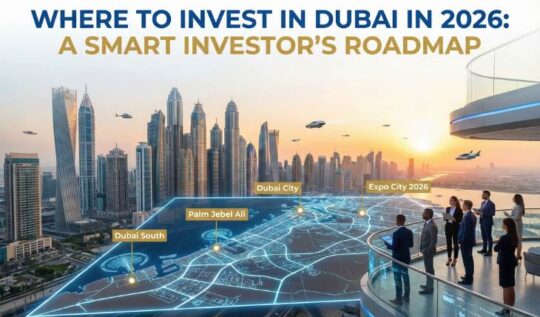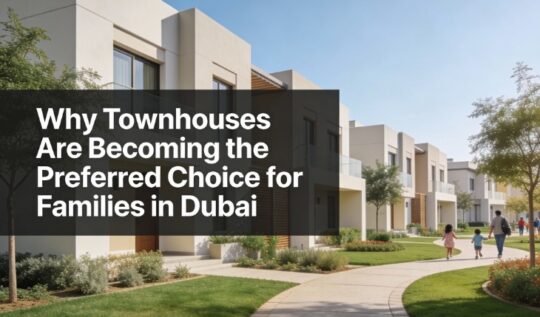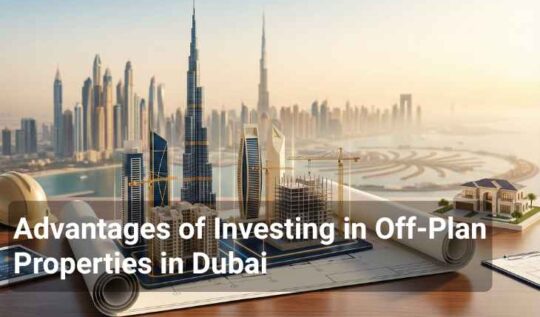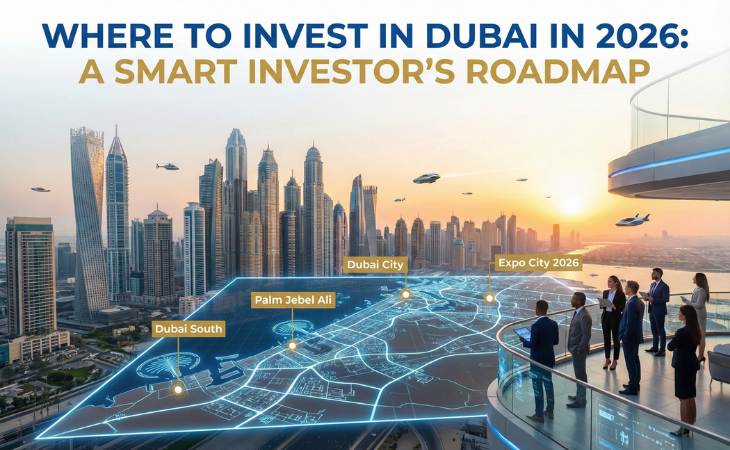
What makes investors from London, Mumbai, Singapore, and Riyadh look at the same city when planning their next move?
Dubai is in a unique position. It has moved past being an emerging market, but it is not yet saturated. This balance is important. In 2026, Dubai’s real estate investment combines global capital, lifestyle demand, and long-term urban planning. Investors are not just buying homes; they are investing in infrastructure, stable policies, and population growth.
Demand for luxury continues to grow, but so does the need for practical and well-connected communities. That is why luxury properties in Dubai perform best when they are part of a larger community, not isolated towers.
Market Overview & Growth Drivers
The growth in Dubai’s real estate is not by chance: it is planned.
Key factors affecting returns in 2026 include:
- Long-term residency visas attracting skilled workers
- No annual property tax, improving net income
- Strong legal framework for foreign ownership
- Ongoing spending on transport, airports, and urban areas
Here are some quick market highlights:
- Average gross rental yields: 6 to 8% in prime areas
- Steady population growth year after year, driven by expats
- Expanding freehold zones across new master communities
These are not temporary boosts. They are lasting trends.
Top Emerging & High-Potential Areas in Dubai for 2026 Investment
Emaar South
Emaar South shows planned growth. It is near Al Maktoum International Airport and Expo City, which gives it an edge from job-driven demand rather than speculation.
Why it matters in 2026:
- Family-friendly layout with schools, parks, and shops
- Golf community appeal attracts long-term tenants
- Prices are still lower than in central Dubai.
Investor takeaway: This is where steady rental income meets long-term value.
Sobha SkyParks
Sobha SkyParks is not about affordability. it’s about limited availability.
A 450-metre landmark on Sheikh Zayed Road, it is aimed at high-income professionals and global tenants who value views, privacy, and quality.
Why investors are interested:
- Limited supply of ultra-luxury vertical residences
- Premium tenants lead to lower vacancy rates.
- High resale value due to its iconic status
Investor takeaway: Protect your capital while having growth potential, not just mass-market opportunities.
Dubai Creek Harbour
Dubai Creek Harbour is where lifestyle meets practicality. It is close to Downtown, connected to nature, and backed by long-term planning.
Why it performs consistently:
- Waterfront living without the high Downtown prices
- Demand from both residents and investors
- Strong appeal for short-term and long-term rentals
Investor takeaway: It has lower risks compared to purely luxury zones.
Dubai Hills Estate (Newer Phases)
Dubai Hills Estate has moved past the risk stage. Newer phases benefit from established infrastructure and demand.
Why these phases matter:
- Immediate liveability boosts rental demand
- Family tenants tend to stay longer, lowering turnover.
- Golf courses, malls, parks, and schoolsare already in place.
Investor takeaway: A stable investment with premium positioning.
Sobha Siniya Island
Sobha Siniya Island is not in central Dubai, and that’s an advantage.
Island living, greenery, and resort-style development create a different value proposition.
Why value-focused investors enter early:
- Lower entry prices compared to waterfronts in Dubai
- Potential for tourism and second-home demand
- Long-term value increases as connectivity improves
Investor takeaway: More patience can lead to greater rewards.
Investment Comparison Table
| Area | Entry Price Level | Rental Demand Strength | Risk Profile | Appreciation Horizon | Best Suited For |
| Emaar South | Medium | High | Low–Medium | Long-term | Income-focused investors |
| Sobha SkyParks | High | Very High | Low | Medium–Long | Luxury capital holders |
| Dubai Creek Harbour | Medium–High | High | Medium | Medium | Balanced portfolios |
| Dubai Hills Estate | High | Very High | Low | Stable | Families, end users |
| Sobha Siniya Island | Lower | Emerging | Medium–High | Long-term | Early-stage investors |
Smart Investor Checklist Before You Commit
Before making a purchase, it is important to have clarity over speed.
Ask yourself:
- Is the location driven by jobs or just hype?
- Does the developer consistently deliver results?
- Who will be the tenant or buyer in five years?
- What’s the exit strategy, not just the entry price?
Smart investing in Dubai real estate focuses less on trends and more on timing.
How a Smart Dubai Property Investment Actually Works
Each step reduces risk. Skipping steps increases it.
Conclusion
Dubai in 2026 rewards clarity not distractions.
The best opportunities are in communities with solid infrastructure, liveability, and long-term plans. Whether it is a steady market like Dubai Hills Estate or a future-orientated destination like Sobha Siniya Island, luxury properties in Dubai thrive when supported by logic rather than emotion.
With the right partner and strategy, investing in Dubai real estate becomes a disciplined asset rather than a gamble.
Frequently Ask Questions
1. Is Dubai real estate still profitable for new investors in 2026?
Yes. There are still entry points in emerging and established areas with good yields.
2. Which Dubai area offers the safest investment?
Dubai Hills Estate and Dubai Creek Harbour show strong stability and consistent demand.
3. Are luxury properties in Dubai risky?
Only if purchased without understanding tenant needs and timing for exit.
4. Can international investors fully own property in Dubai?
Yes. Foreign investors can own freehold property in designated areas.
5. Why work with Unihomes instead of multiple brokers?
Unihomes offers structured advice without sales pressure and aligns property choices with long-term investor goals.